
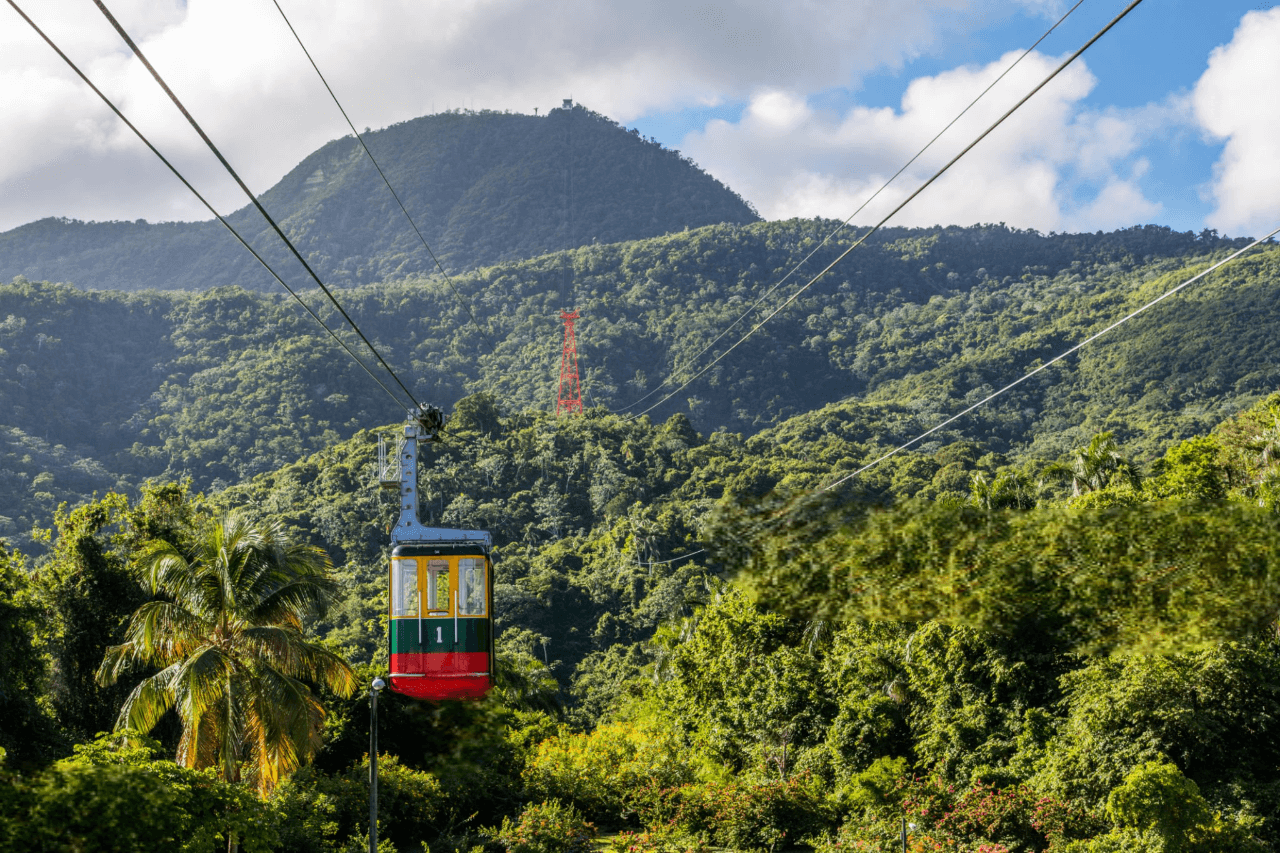
Introduction: Puerto Plata, a coastal gem on the northern shores of the Dominican Republic, is more than just a beautiful beach destination. Its rich history, dating back to the 15th century, is filled with fascinating tales of exploration, colonization, and cultural evolution. Join us as we journey through the captivating history of Puerto Plata and uncover the stories that have shaped this vibrant city.
Content:
The Beginnings: Christopher Columbus and the Discovery Puerto Plata’s historical significance began with the arrival of Christopher Columbus in 1493 during his second voyage to the New World. Columbus named the area “Puerto Plata,” meaning “Silver Port,” inspired by the shimmering appearance of the coastline under the sun. This marked the beginning of European interest and settlement in the region.
Colonial Era and Fort San Felipe The strategic location of Puerto Plata made it a vital point for Spanish colonial expansion. To protect the city from pirates and foreign invasions, the Spanish constructed Fort San Felipe in 1577. This fortress, still standing today, is one of the oldest European-built structures in the Americas and offers a glimpse into the city’s colonial past. Visitors can explore the fort and learn about its role in defending the city during tumultuous times.
The Rise of the Sugar Industry In the 18th and 19th centuries, Puerto Plata experienced economic growth due to the booming sugar industry. The fertile lands surrounding the city were ideal for sugar cane cultivation, attracting settlers and leading to the establishment of large plantations. This period of prosperity brought wealth and development to the region, shaping its social and economic landscape.
The Influence of Immigrants Puerto Plata’s cultural tapestry was enriched by waves of immigrants from Europe and the Caribbean. In the 19th century, Cuban immigrants fleeing political unrest brought their knowledge of tobacco cultivation, further diversifying the local economy. Additionally, the influx of German and Jewish immigrants contributed to the city’s architectural and cultural heritage, leaving a lasting impact on its identity.
Modernization and Tourism Boom The 20th century saw significant modernization and infrastructural development in Puerto Plata. The construction of the Malecón, a scenic coastal boulevard, and the establishment of the Amber Museum, showcasing the region’s unique amber deposits, highlighted the city’s appeal. The introduction of tourism as a major industry transformed Puerto Plata into a sought-after destination, attracting visitors from around the world to its pristine beaches and historical sites.
Cultural Heritage and Festivals Puerto Plata’s rich history is celebrated through its vibrant cultural heritage and annual festivals. The city’s carnival, held every February, is a colorful and lively event featuring traditional music, dance, and elaborate costumes. Visitors can also experience the Merengue Festival, showcasing the Dominican Republic’s national dance, and other local festivities that highlight the region’s cultural diversity and traditions.
Conclusion: Puerto Plata’s history is a tapestry of exploration, colonization, cultural exchange, and economic evolution. From its discovery by Christopher Columbus to its transformation into a modern tourist hub, the city’s past is a testament to its resilience and adaptability. As you stroll through its historic streets, visit its landmarks, and engage with its vibrant culture, you’ll gain a deeper appreciation for the rich heritage that makes Puerto Plata a unique and captivating destination.
Whether you’re a history enthusiast or a curious traveler, Puerto Plata invites you to explore its storied past and discover the many facets of its fascinating history. Plan your visit today and immerse yourself in the timeless charm of this beautiful coastal city.

0 Comments