
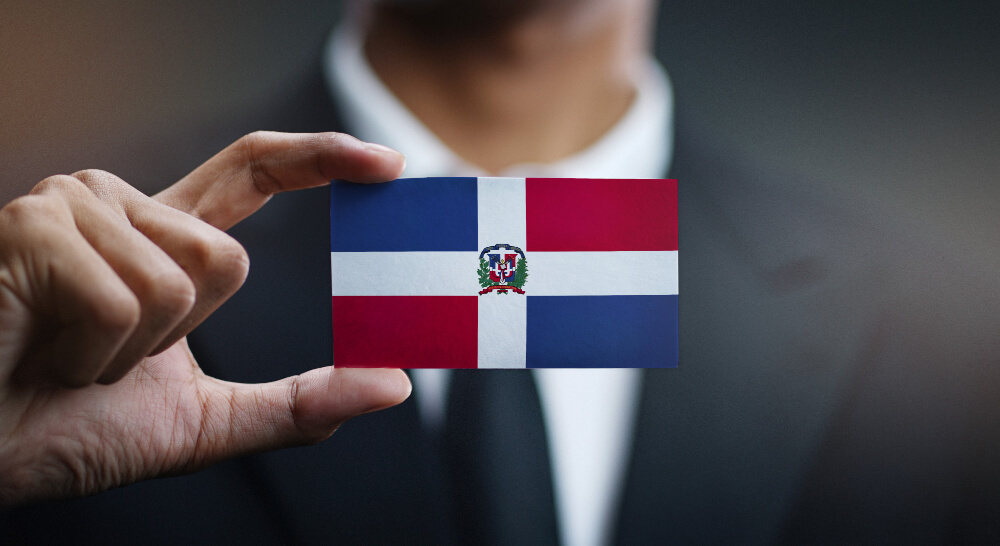
Puerto Plata, a gem of the Caribbean located on the northern coast of the Dominican Republic, is a tourist destination known for its stunning beaches, rich culture, and fascinating history. In this extensive article, we will delve into the history of Puerto Plata, from its humble beginnings to its development as one of the Caribbean’s most popular destinations. Additionally, we will explore the concept of Dominican expatriates and their impact on the local community and the Dominican diaspora worldwide.
Origins of Puerto Plata: From the Taínos to Spanish Colonization
The origins of Puerto Plata date back to pre-Columbian times when the island of Quisqueya (now the Dominican Republic and Haiti) was inhabited by the Taíno people, an indigenous civilization. The Taínos referred to the region as “Guanumo,” meaning “great land.” The arrival of Christopher Columbus in 1492 marked the beginning of European colonization on the island. Puerto Plata was established as a strategic port during Spanish colonization, serving as a launching point for the exploitation of natural resources and the slave trade.
Colonial Era: The Rise of the Sugar Industry and Slavery
During the colonial era, Puerto Plata experienced an economic boom driven by the sugar industry. Sugar cane plantations dominated the landscape, and slave labor provided the necessary work for its production. However, this period was also marked by brutality and oppression as thousands of Africans were enslaved and forced to work in inhumane conditions on the plantations.
Independence and Modern Development
The Dominican Republic gained independence from Spain in 1844, and Puerto Plata played a significant role in the early years of the independent nation. The city became a center of trade and culture, attracting entrepreneurs and artists from around the world. During the 20th century, Puerto Plata experienced an economic renaissance fueled by tourism, with the construction of hotels, resorts, and tourist attractions transforming the region into a popular destination for travelers worldwide.
Dominican Expatriates: The Diaspora and Its Impact
The term “Dominican expatriates” refers to Dominicans living abroad, away from their home country. This Dominican diaspora has spread across the globe, with significant communities in the United States, Spain, Canada, and other countries. Dominican expatriates play an important role in the economy and culture of the Dominican Republic, sending remittances to their families and maintaining close ties with their homeland.
The Cultural Impact of Dominican Expatriates
In addition to their economic impact, Dominican expatriates have enriched Dominican culture with their traditions, music, and cuisine. In Puerto Plata, many Dominican expatriates return home during holidays and festivities, strengthening family ties and preserving local traditions. Furthermore, many Dominican expatriates have achieved success abroad in a variety of fields, from music and sports to business and politics, bringing the name of the Dominican Republic to international prominence.
Conclusions and Reflections
In conclusion, the history of Puerto Plata, Dominican Republic, is a testament to the resilience and spirit of its people over the centuries. From its humble beginnings as a colonial port to its development as a world-renowned tourist destination, Puerto Plata has left an indelible mark on Caribbean history. Additionally, the Dominican diaspora, represented by Dominican expatriates, continues to play a crucial role in the economic and cultural life of the region, keeping traditions alive and strengthening ties between the Dominican Republic and the rest of the world.

0 Comments